Hey everyone, if you’ve ever scrolled through endless online course options only to feel overwhelmed by the sheer number of platforms out there, you’re not alone. I’ve been there myself—back when I was trying to pick up some digital marketing skills a couple of years ago, I wasted weeks jumping between sites before landing on one that actually fit my schedule and budget. Fast forward to late 2025, and the e-learning landscape is more crowded than ever, with AI-driven personalization, interactive tools, and a mix of free and premium offerings. Whether you’re a solo learner chasing a career boost or a company HR lead looking to train your team, picking the right platform can make all the difference between sticking with it and dropping out halfway through.
In this guide, I’ll walk you through everything you need to know to make a smart choice. We’ll cover the key factors to weigh, spotlight some top platforms with real comparisons, and share a step-by-step process to narrow down your options. I’ve pulled insights from industry reports and user reviews to keep things grounded, and I’ll throw in some personal tips from my own trial-and-error experiences. By the end, you’ll have a clear roadmap to find a platform that aligns with your goals—without the frustration. Let’s get into it.
Why the Right E-Learning Platform Matters in 2026
Think about it: we’re in an era where lifelong learning isn’t optional; it’s essential. With jobs evolving due to tech advancements like AI and remote work, online platforms have become the go-to for upskilling. But not all are created equal. A mismatched choice can lead to wasted time, money, and motivation—I’ve seen friends sign up for flashy courses only to bail because the interface was clunky or the content felt outdated.
According to recent analyses, the global e-learning market is projected to hit over $400 billion by 2026, driven by demand for flexible, accessible education. For individuals, the right platform means engaging content that fits your learning style, whether that’s video-heavy or interactive quizzes. For businesses, it’s about scalable training that boosts employee retention and performance—platforms that integrate with your existing tools can save hours in admin work.
The stakes are high because poor choices lead to low completion rates; studies show only about 15-20% of learners finish free online courses without the right motivation and structure. On the flip side, a well-suited platform can accelerate your growth. I remember switching to a platform with strong community features, and suddenly, discussing concepts with peers made everything click. In 2026, with more hybrid work models, expect platforms to emphasize collaboration and real-time feedback, making your selection even more critical.
Key Factors to Consider When Selecting an E-Learning Platform
Choosing a platform isn’t about picking the most popular one—it’s about matching it to your needs. From my research and chats with educators, here are the top factors to evaluate. I’ll break them down with practical advice so you can apply them right away.
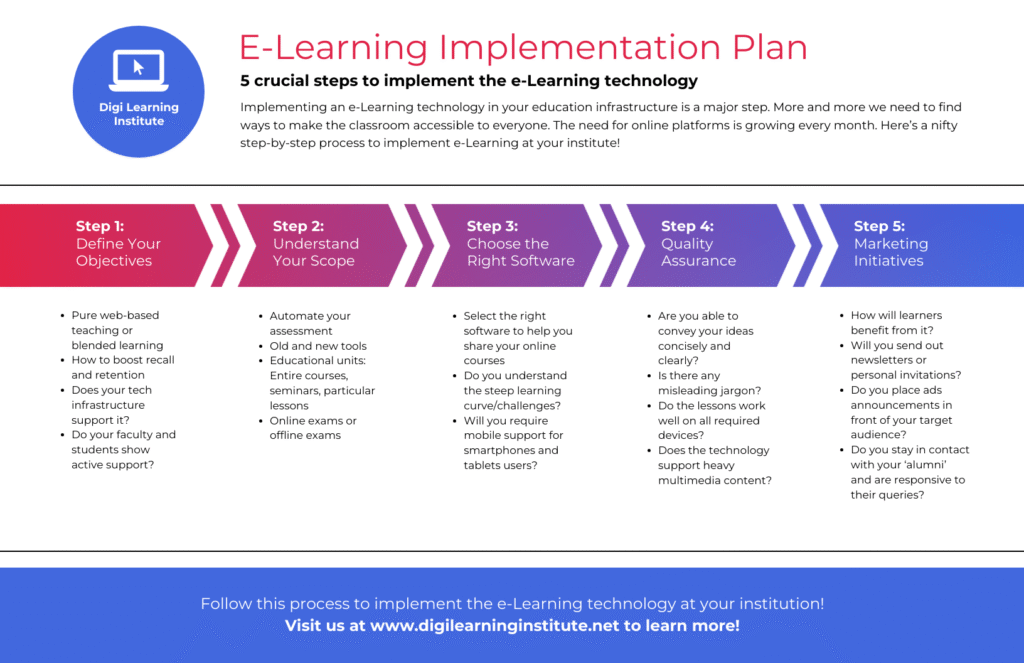
- Content Quality and Variety: Start here because content is king. Look for platforms with up-to-date courses from reputable sources, like universities or industry experts. Does it cover your niche—say, coding, business, or creative skills? Check for diverse formats: videos, readings, quizzes, or hands-on projects. For instance, if you’re visual, prioritize high-production videos over text-heavy modules.
- User Interface and Ease of Use: A clunky design can kill your motivation. Test the demo or free trial for intuitive navigation—can you find courses quickly? Mobile compatibility is crucial for on-the-go learning. I once ditched a platform because its app kept crashing; don’t make that mistake.
- Pricing and Value for Money: Budget matters. Free platforms like Khan Academy are great for basics, but premium ones offer certifications. Compare subscription models (monthly vs. annual), per-course fees, or enterprise plans. Factor in hidden costs like add-ons for advanced features. Aim for ROI—will the skills gained justify the spend?
- Certifications and Accreditation: If you’re learning for career advancement, verify if certificates are recognized. Platforms like Coursera partner with universities for credible credentials, which can boost your resume. For businesses, look for compliance with standards like SCORM.
- Personalization and AI Features: In 2026, expect smart recommendations based on your progress. Does the platform use AI for adaptive learning paths? This can make studying more efficient, tailoring difficulty to your level.
- Community and Support: Learning solo can be isolating. Seek forums, peer groups, or mentor access. Also, check customer support—live chat, tutorials, or dedicated help desks. For corporate use, robust admin support is key.
- Integration and Scalability: Especially for teams, does it sync with tools like Slack, CRM systems, or HR software? Scalability ensures it grows with your needs, from 10 users to thousands.
- Security and Accessibility: Data privacy is non-negotiable—look for GDPR compliance and secure logins. Accessibility features like subtitles or screen reader support make it inclusive.
- Analytics and Tracking: Track progress with dashboards. For managers, detailed reports on completion rates and skill gaps are invaluable.
- Reviews and Trial Options: Read user feedback on sites like G2 or Trustpilot. Always try before you buy—most offer free trials.
Weighing these will help you avoid regrets. I like to create a simple spreadsheet to score platforms against them—it’s a game-changer.
Top E-Learning Platforms: Comparisons and Recommendations for 2026
With dozens out there, let’s focus on standout ones based on recent comparisons. I’ll highlight pros, cons, and who they’re best for, drawing from user data and expert reviews.
| Platform | Best For | Pricing | Key Features | Pros | Cons |
|---|---|---|---|---|---|
| Coursera | Professionals seeking degrees/certificates | $49/month or per course | University partnerships, specializations, AI recommendations | Credible credentials, vast library | Can be pricey for casual learners |
| Udemy | Budget-conscious individuals | $10-20 per course (sales common) | Lifetime access, user-generated content | Affordable, diverse topics | Variable quality, no formal accreditation |
| LinkedIn Learning | Career networkers | $29.99/month (with Premium) | Integrated with LinkedIn, skill badges | Job-aligned, networking boost | Less depth in some niches |
| edX | Academic enthusiasts | Free audits, $50-300 for certificates | Harvard/MIT courses, MicroMasters | High-quality, open-source | Interface feels academic |
| Khan Academy | Beginners/kids | Free | Interactive exercises, progress tracking | Completely free, gamified | Limited advanced content |
| Thinkific | Course creators/businesses | Free basic, $49/month pro | Custom branding, marketing tools | Easy to build/sell courses | Not ideal for pure learners |
| Docebo | Enterprises | Custom pricing | AI-driven, LMS features | Scalable, analytics-heavy | Steep learning curve for small users |
Coursera shines for structured learning—I’ve used it for a Google cert that directly helped my job hunt. Udemy’s sales make it a steal for hobbyists, but vet instructors via ratings. LinkedIn Learning integrates seamlessly if you’re already on the network, offering quick wins like 1-hour courses. For free options, Khan Academy’s bite-sized lessons are perfect for foundational skills, while edX appeals to those wanting Ivy League vibes without the tuition.
Businesses might lean toward Docebo or TalentLMS for robust tracking. Remember, the “best” depends on you—test a few.
Step-by-Step Guide to Making Your Choice
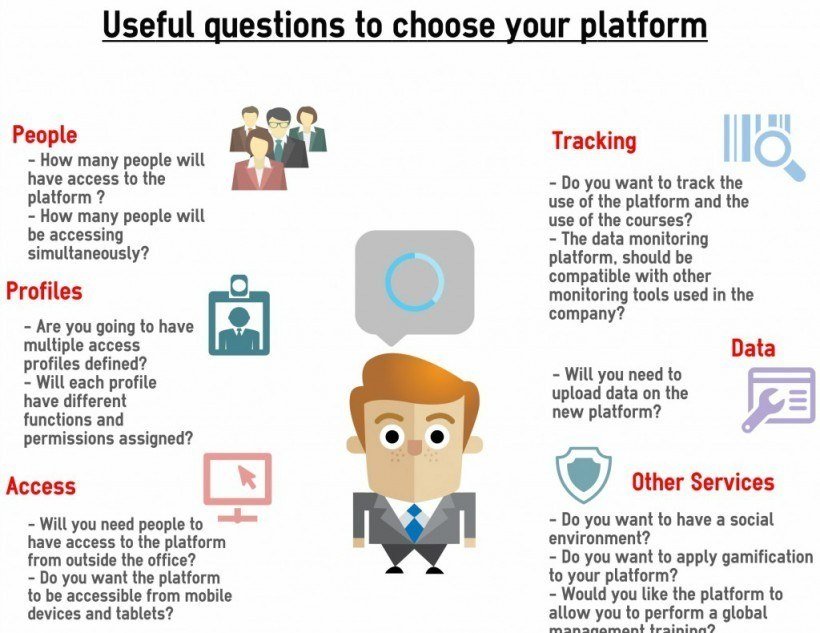
Ready to decide? Here’s a straightforward process I’ve refined over time:
- Define Your Goals: What do you want to achieve? Skill-building, certification, or team training? List must-haves vs. nice-to-haves.
- Research and Shortlist: Use comparison sites to list 3-5 options. Read reviews and watch demo videos.
- Test Drive: Sign up for trials. Complete a sample course to gauge usability.
- Evaluate Fit: Score against your factors. Talk to current users if possible—Reddit threads are gold for unfiltered opinions.
- Consider Long-Term: Will it support future needs? Check update frequency and community growth.
- Make the Commitment: Start small—enroll in one course before going all-in.
This approach saved me from a bad fit once; take your time.
Common Pitfalls to Avoid When Choosing a Platform
Don’t rush—common mistakes include focusing only on price, ignoring mobile access, or overlooking support. I’ve fallen for hype around “unlimited courses” only to find the quality lacking. Also, skip platforms without clear refund policies, and always verify accreditation for professional goals. Businesses: Ensure it aligns with your culture; forced training flops without buy-in.
Final Thoughts: Empower Your Learning Journey
Picking the right e-learning platform boils down to self-awareness and research—match it to your style, budget, and objectives, and you’ll set yourself up for success in 2026 and beyond. Whether it’s Coursera’s depth or Udemy’s affordability, the key is starting somewhere. I’ve transformed my career through online learning, and you can too. What’s holding you back? Share your experiences in the comments, or drop a question—let’s chat. For more tips, check out resources like WalkMe’s platform roundup or Skilljar’s selection guide.